Authors
The 95 authors of the essay, from the oldest to the most recent: for each, their regime of critique, their pivotal text, their interlocutors, and the 74 exchanges the essay stages, 60 attested responses, where one author actually read another and answered, and 14 constructed confrontations, where the essay brings together two thoughts that history did not set face to face.
5th century BCE
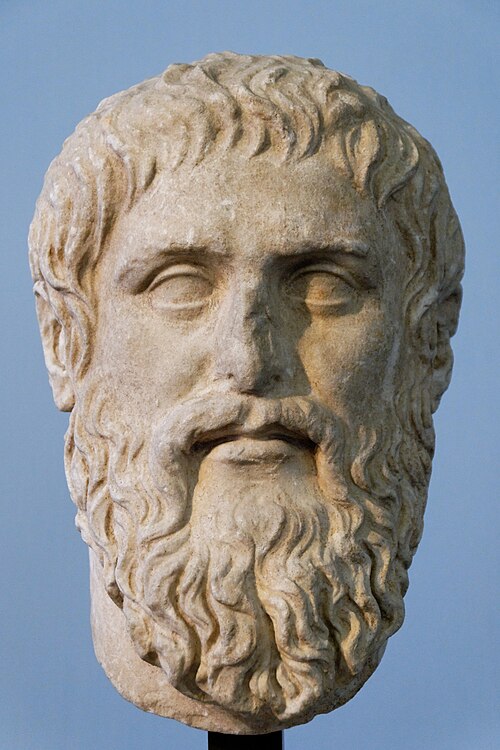 Plato428/427-348/347 BCE
- Regime
- social function: legislated theology
- Pivotal text
- Laws X ; Euthyphro
- In debate with
- the impious of his time ; Lucretius, Rousseau
receives a response from
- attested response Justin Martyr Read the sectionThe seminal Logos: Plato supposedly borrowed from Moses, and Socrates was a Christian before Christ.
- constructed confrontation Lucretius Read the sectionEpicurean peace faced with the law against the impious in the Laws.
- constructed confrontation Rousseau Read the sectionCivil religion takes up the penalty that the Laws reserved for the impious.
4th century BCE
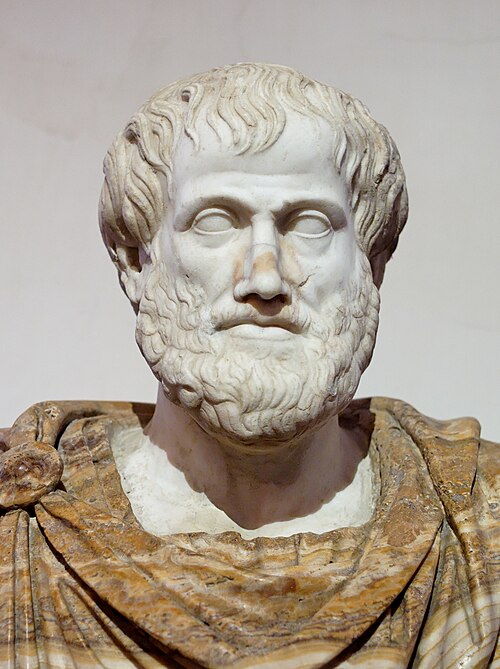 Aristotle384-322 BCE
- Regime
- god of the philosophers ; myths useful to the laws
- Pivotal text
- Metaphysics Λ
- In debate with
- Plato ; Heidegger against onto-theology
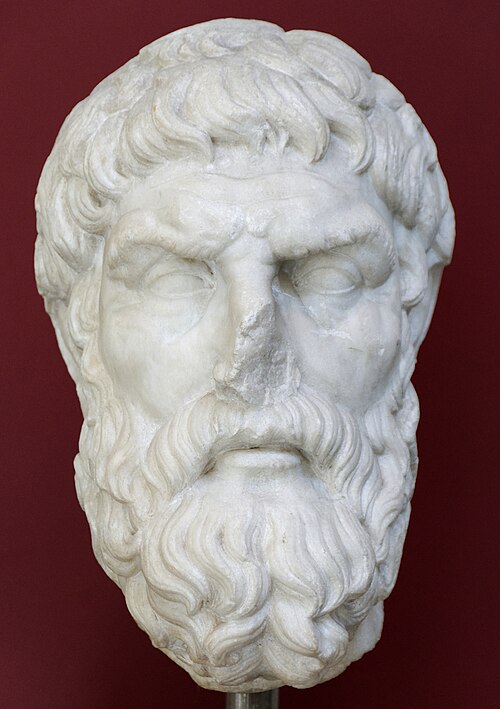 Epicurus341-270 BCE
- Regime
- error: gods without providence
- Pivotal text
- Letter to Menoeceus
- In debate with
- the piety of the crowd ; taken up by Lucretius
1st century BCE
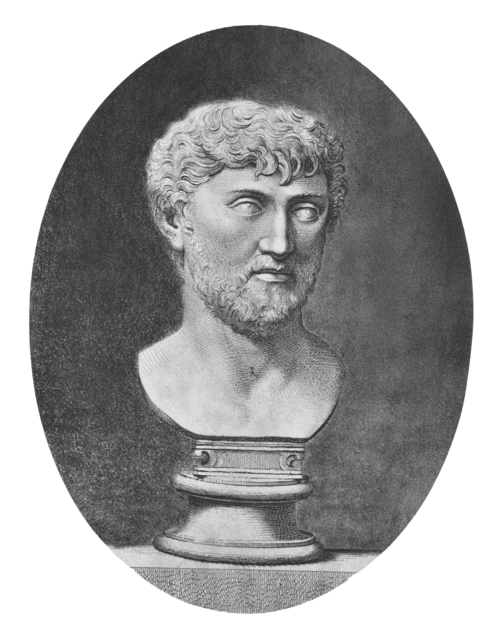 Lucretiusc. 98-c. 55 BCE
- Regime
- error: religion as terror
- Pivotal text
- De rerum natura I
- In debate with
- Iphigenia and the priests ; Onfray claims him
responds to
- constructed confrontation Plato Read the sectionEpicurean peace faced with the law against the impious in the Laws.
receives a response from
- attested response Hume Read the sectionThe Natural History of Religion discusses Lucretius (sections 5 and 12); fear as the origin of the gods is common to both.
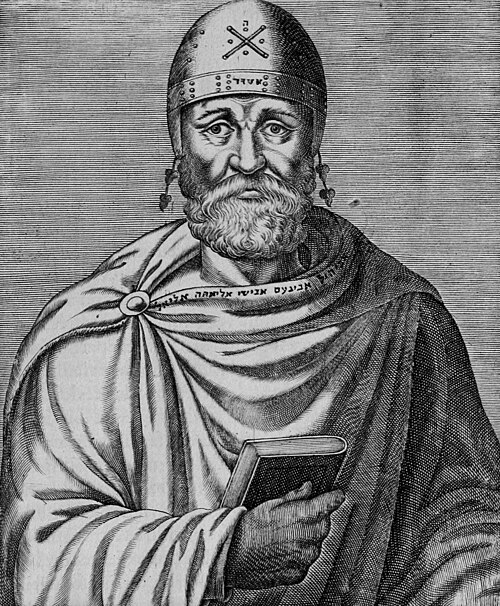 Philo of Alexandriac. 20 BCE-c. 45/50 CE
- Regime
- Logos: the Bible read with the Timaeus
- Pivotal text
- De opificio mundi
- In debate with
- Plato ; the Fathers
1st century
Paul of Tarsusd. c. 64/67
- Regime
- faith against wisdom
- Pivotal text
- authentic epistles
- In debate with
- Nietzsche against him ; Sanders
receives a response from
- attested response Nietzsche Read the sectionThe Antichrist § 42: Paul, inventor of Christianity against the good news.
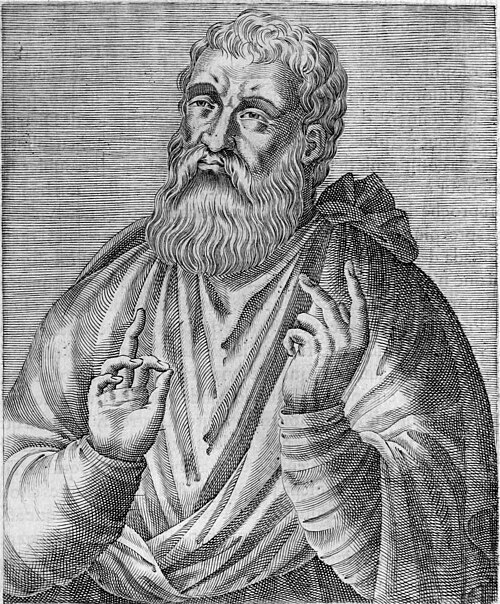 Justin Martyrc. 100-c. 165
- Regime
- the sown Logos
- Pivotal text
- Apologies
- In debate with
- Plato, Socrates
responds to
- attested response Plato Read the sectionThe seminal Logos: Plato supposedly borrowed from Moses, and Socrates was a Christian before Christ.
2nd century
Celsus2nd century
receives a response from
- attested response Origen Read the sectionAgainst Celsus answers the True Doctrine point by point: Jesus the magician, the plagiarism of Plato, a religion of the ignorant.
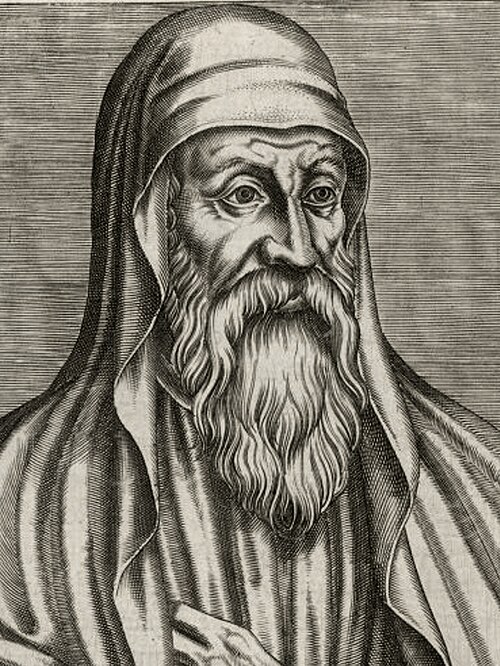 Origenc. 185-c. 254
- Regime
- first critique, first response
- Pivotal text
- The True Doctrine ; Against Celsus
- In debate with
- Origen against Celsus
responds to
- attested response Celsus Read the sectionAgainst Celsus answers the True Doctrine point by point: Jesus the magician, the plagiarism of Plato, a religion of the ignorant.
3rd century
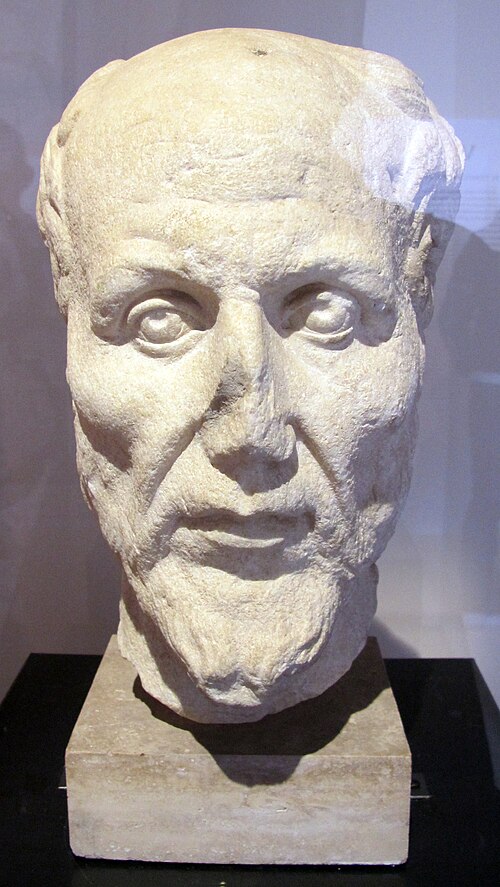 Plotinus205-270
- Regime
- experience: the One and union
- Pivotal text
- Enneads VI 9
- In debate with
- Plato ; the Gnostics ; Augustine, Hadot
Porphyryc. 234-c. 305
- Regime
- Neoplatonism and Christian synthesis
- Pivotal text
- Against the Christians ; Confessions VII ; The City of God VIII
- In debate with
- Plotinus ; Pascal, Heidegger
receives a response from
- attested response Augustine Read the sectionThe City of God discusses the Platonists, the closest to the Christians, and Porphyry, their adversary.
4th century
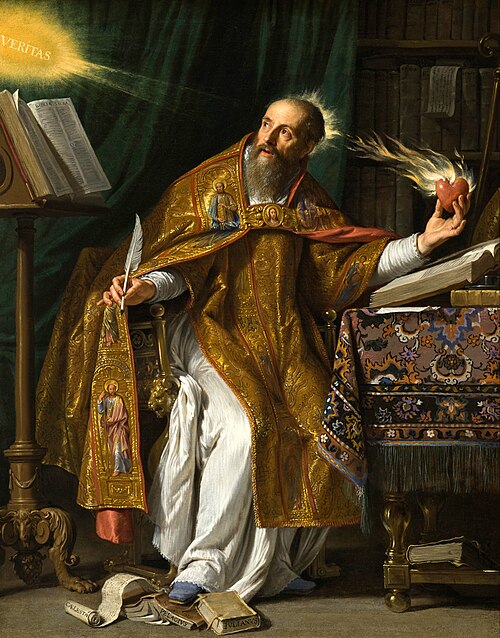 Augustine354-430
- Regime
- Neoplatonism and Christian synthesis
- Pivotal text
- Against the Christians ; Confessions VII ; The City of God VIII
- In debate with
- Plotinus ; Pascal, Heidegger
responds to
- attested response Porphyry Read the sectionThe City of God discusses the Platonists, the closest to the Christians, and Porphyry, their adversary.
12th century
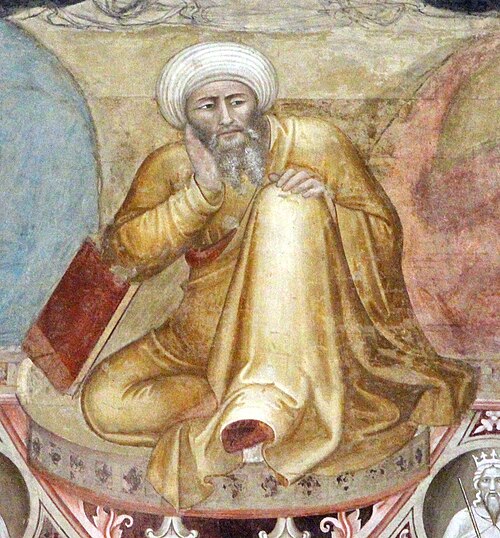 Averroes1126-1198
- Regime
- philosophy and the Law: reserved interpretation
- Pivotal text
- Faṣl al-maqāl (The Decisive Treatise)
- In debate with
- al-Ghazali ; the legend of the double truth
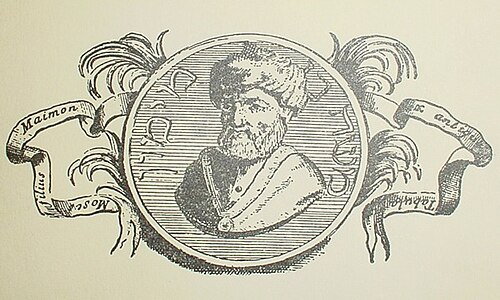 Maimonides1138-1204
- Regime
- negative theology ; reasons for the commandments
- Pivotal text
- Guide for the Perplexed (c. 1190)
- In debate with
- Spinoza against him ; Eckhart
receives a response from
- attested response Spinoza Read the sectionTheological-Political Treatise, ch. VII: against accommodating Scripture to reason.
- constructed confrontation Feuerbach Read the sectionNegative theology read as a subtle atheism.
13th century
 Meister Eckhartc. 1260-1328
- Regime
- experience: detachment
- Pivotal text
- sermon 52, “Beati pauperes spiritu”
- In debate with
- 28 propositions condemned in 1329 (In agro dominico), after his death ; reread by Weil and the spiritualities without God
16th century
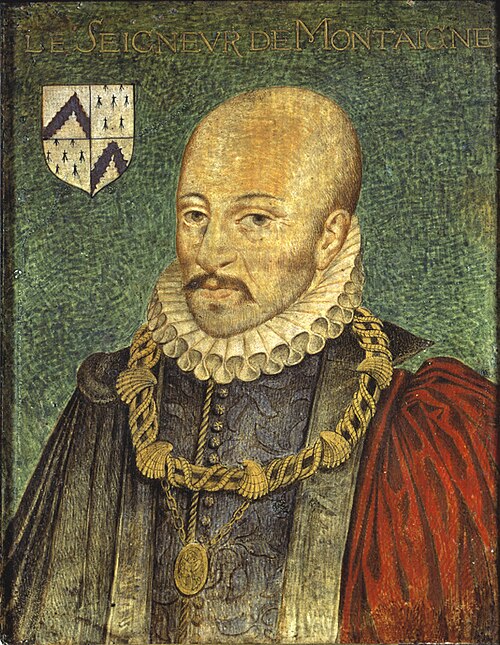 Montaigne1533-1592
- Regime
- fideist scepticism
- Pivotal text
- Apology for Raymond Sebond (Essays II, 12)
- In debate with
- Sebond ; Pascal
responds to
- constructed confrontation Hume Read the sectionA sceptical kinship, not an established influence.
receives a response from
- attested response Pascal Read the sectionThe Entretien avec M. de Sacy and the Pensées read Montaigne as a useful and dangerous sceptic.
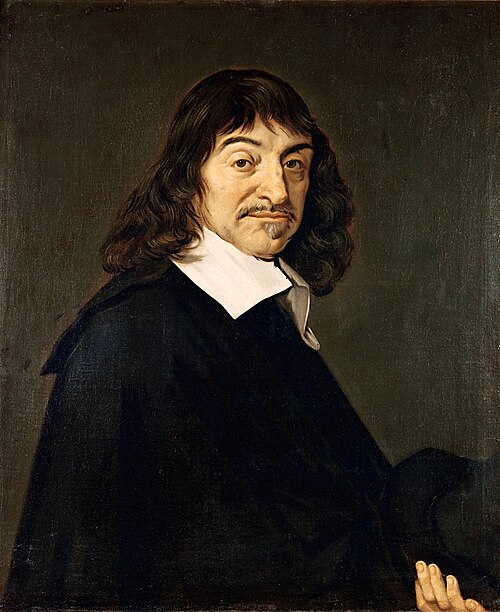 Descartes1596-1650
- Regime
- god of the philosophers: the idea of the infinite
- Pivotal text
- Meditationes de prima philosophia (1641)
- In debate with
- Pascal ; Leibniz ; Levinas
receives a response from
- attested response Pascal Read the section“Je ne puis pardonner à Descartes” (I cannot forgive Descartes): the God of the philosophers against the God of Abraham.
- attested response Leibniz Read the sectionMonadology § 46: against the creation of the eternal truths by the divine will.
17th century
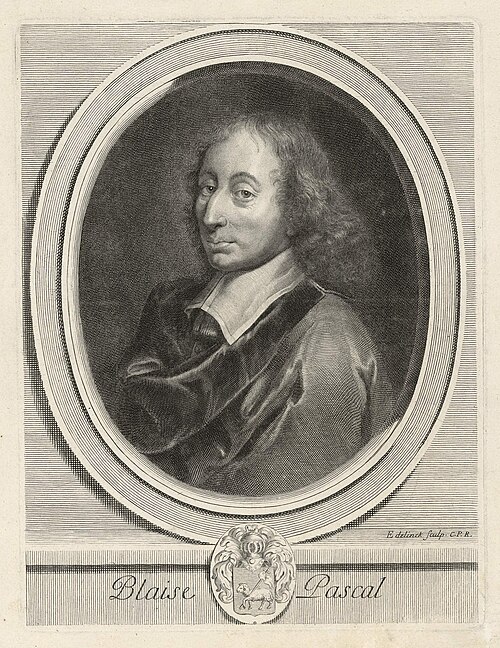 Pascal1623-1662
- Regime
- faith against theological reason
- Pivotal text
- Memorial ; Pensées
- In debate with
- Descartes ; foreshadows Heidegger
responds to
- attested response Descartes Read the section“Je ne puis pardonner à Descartes” (I cannot forgive Descartes): the God of the philosophers against the God of Abraham.
- attested response Montaigne Read the sectionThe Entretien avec M. de Sacy and the Pensées read Montaigne as a useful and dangerous sceptic.
receives a response from
- constructed confrontation Becker Read the sectionThe denial of death and diversion.
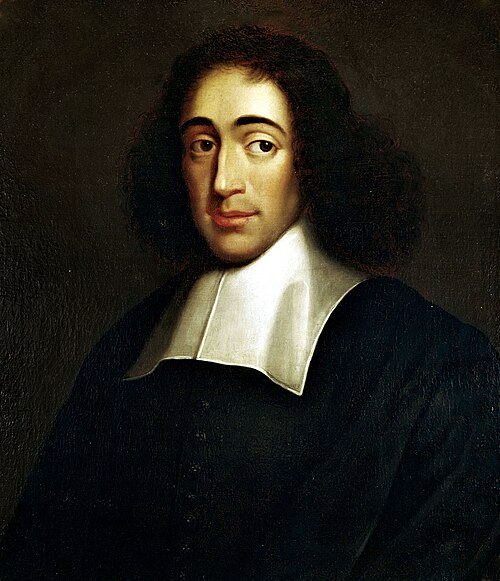 Spinoza1632-1677
- Regime
- error ; spirituality of amor Dei
- Pivotal text
- Ethica ; Tractatus theologico-politicus
- In debate with
- Nietzsche, Hegel, Feuerbach
responds to
- attested response Maimonides Read the sectionTheological-Political Treatise, ch. VII: against accommodating Scripture to reason.
receives a response from
- attested response Leibniz Read the sectionAgainst the blind, geometrical necessity of Spinoza's God.
- attested response Leo Strauss Read the sectionDie Religionskritik Spinozas (1930): modern critique has not refuted revelation.
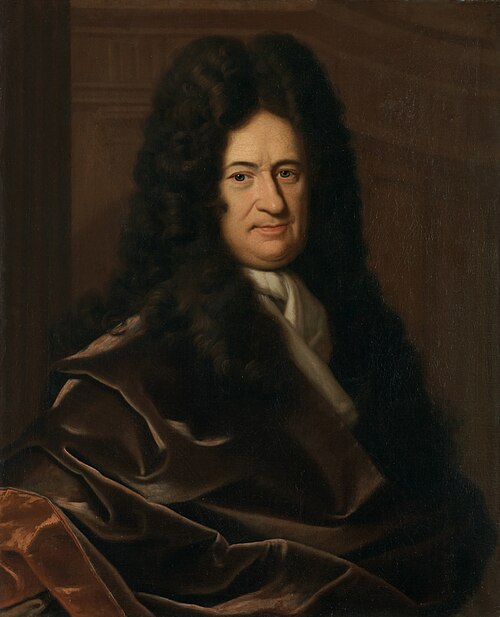 Leibniz1646-1716
- Regime
- sufficient reason ; theodicy
- Pivotal text
- Principles of Nature and Grace (1714) ; Theodicy (1710)
- In debate with
- Spinoza, Bayle ; Voltaire against him ; Heidegger
responds to
- attested response Bayle Read the sectionThe Essais de théodicée (1710) answer Bayle's objections about evil.
- attested response Spinoza Read the sectionAgainst the blind, geometrical necessity of Spinoza's God.
- attested response Descartes Read the sectionMonadology § 46: against the creation of the eternal truths by the divine will.
receives a response from
- attested response Voltaire Read the sectionCandide (1759) mocks optimism and the best of all possible worlds.
- attested response Heidegger Read the sectionThe 1949 introduction to Was ist Metaphysik? takes up Leibniz's question.
- attested response Bergson Read the sectionCreative Evolution, ch. IV: the idea of nothingness as a pseudo-idea, in Spinoza or Leibniz.
- constructed confrontation Ivan Karamazov Read the sectionThe refusal of a harmony paid for with a child's tear, faced with theodicy.
- constructed confrontation Wittgenstein Read the sectionWonder that the world is, without any demand for sufficient reason.
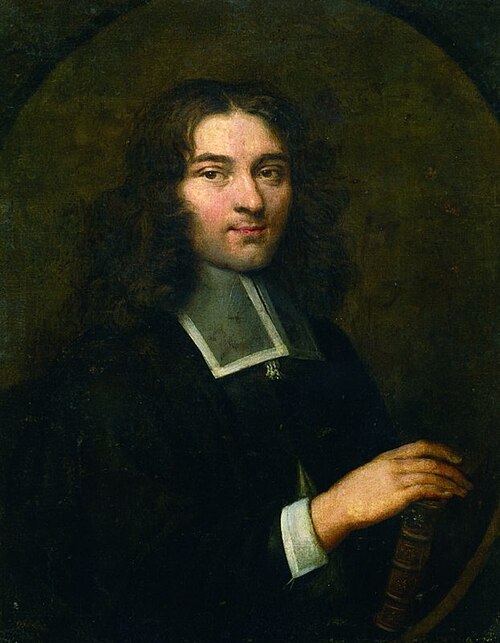 Bayle1647-1706
- Regime
- error ; tolerance
- Pivotal text
- Various Thoughts on the Occasion of a Comet
- In debate with
- Jurieu ; confrontation with Ivan Karamazov
responds to
- constructed confrontation Ivan Karamazov Read the sectionThe society of virtuous atheists faced with “everything is permitted”.
receives a response from
- attested response Leibniz Read the sectionThe Essais de théodicée (1710) answer Bayle's objections about evil.
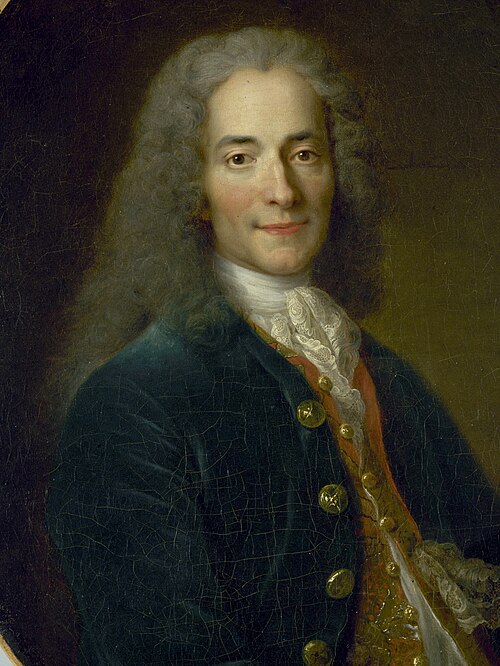 Voltaire1694-1778
- Regime
- utilitarian deism
- Pivotal text
- Epistle CIV (1769)
- In debate with
- d'Holbach ; prefigures the Inquisitor
responds to
- attested response Leibniz Read the sectionCandide (1759) mocks optimism and the best of all possible worlds.
- attested response d'Holbach Read the sectionThe article “Dieu, dieux” (1771) against the Système de la nature.
- constructed confrontation the Grand Inquisitor Read the section“Si Dieu n'existait pas, il faudrait l'inventer” (if God did not exist, it would be necessary to invent him): the Inquisitor's programme in one alexandrine.
receives a response from
- attested response Rousseau Read the sectionThe Lettre sur la Providence (1756) answers the Poème sur le désastre de Lisbonne.
18th century
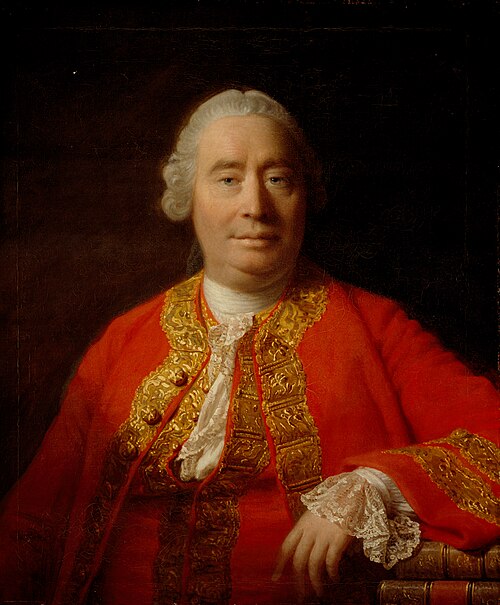 Hume1711-1776
- Regime
- error: fear and hope
- Pivotal text
- Natural History of Religion ; Dialogues
- In debate with
- the deists ; Kant
responds to
- attested response Lucretius Read the sectionThe Natural History of Religion discusses Lucretius (sections 5 and 12); fear as the origin of the gods is common to both.
receives a response from
- constructed confrontation Montaigne Read the sectionA sceptical kinship, not an established influence.
- constructed confrontation Boyer Read the sectionAgent detection: the faces Hume already saw in the moon.
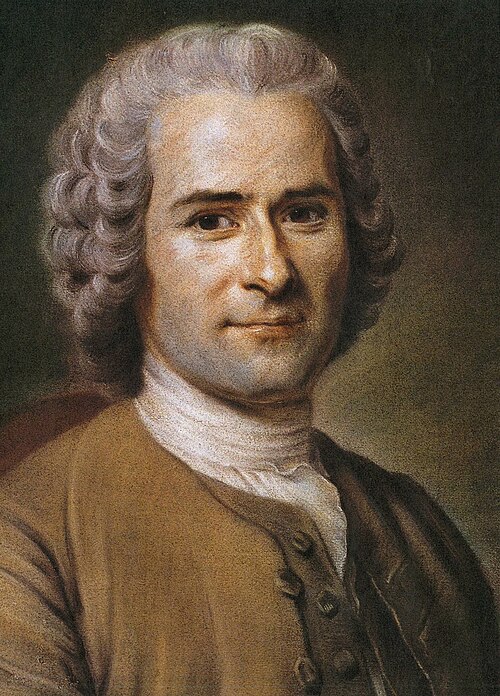 Rousseau1712-1778
- Regime
- religion of the heart ; civil religion
- Pivotal text
- Profession of Faith of the Savoyard Vicar ; The Social Contract IV, 8 (1762)
- In debate with
- Voltaire ; Robespierre
responds to
- attested response Voltaire Read the sectionThe Lettre sur la Providence (1756) answers the Poème sur le désastre de Lisbonne.
- constructed confrontation Plato Read the sectionCivil religion takes up the penalty that the Laws reserved for the impious.
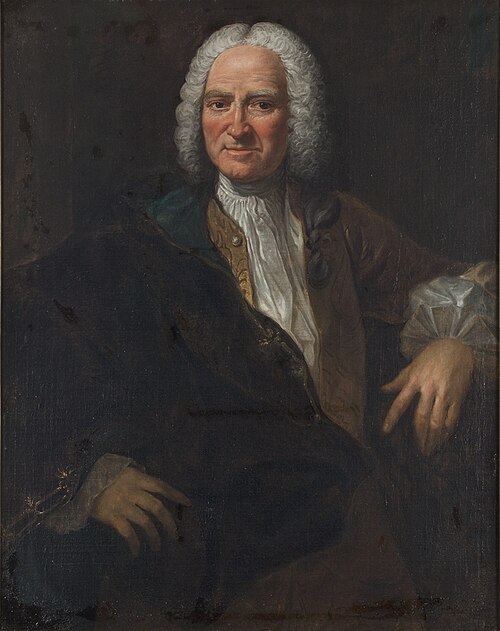 d'Holbach1723-1789
- Regime
- error: atheist materialism
- Pivotal text
- The System of Nature (1770)
- In debate with
- Voltaire ; foreshadows Feuerbach
receives a response from
- attested response Voltaire Read the sectionThe article “Dieu, dieux” (1771) against the Système de la nature.
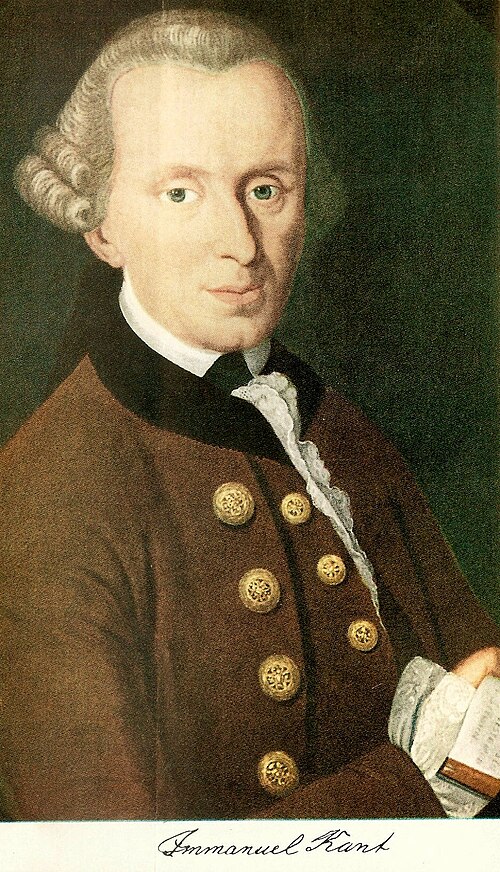 Kant1724-1804
- Regime
- moral religion
- Pivotal text
- Die Religion innerhalb der Grenzen der bloßen Vernunft (1793)
- In debate with
- Schleiermacher, Hegel, Nietzsche
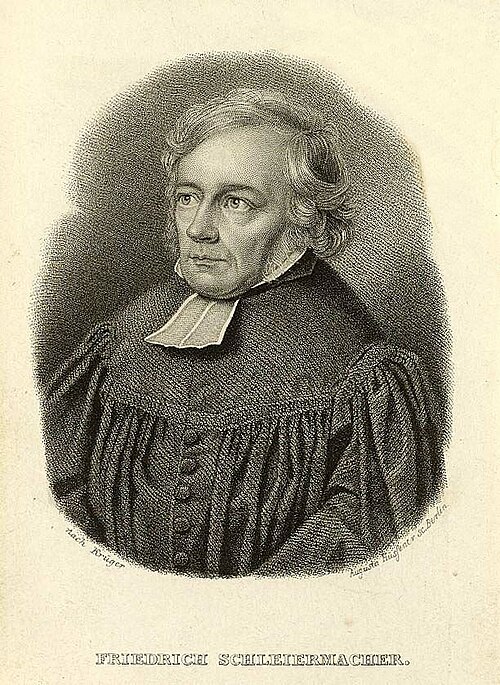 Friedrich Schleiermacher1768-1834
- Regime
- experience: feeling
- Pivotal text
- Über die Religion (1799)
- In debate with
- Kant ; Hegel against him
receives a response from
- attested response Hegel Read the sectionPreface to Hinrichs (1822): if piety is the feeling of dependence, the dog would be the best Christian.
- attested response Feuerbach Read the sectionThe feeling of dependence taken up and turned back towards nature.
- attested response Otto Read the sectionThe Idea of the Holy, chapter 3: the feeling of dependence presupposes the Kreaturgefühl and the inaccessibility of the object; Schleiermacher's discovery is acknowledged, then corrected.
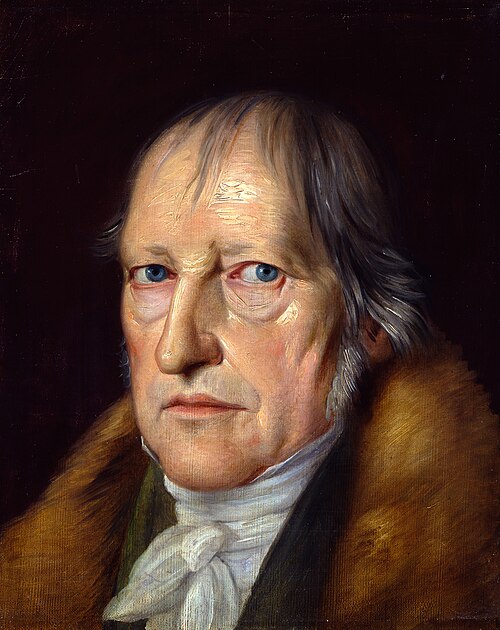 Georg Wilhelm Friedrich Hegel1770-1831
- Regime
- concept: Aufhebung
- Pivotal text
- Glauben und Wissen (1802) ; preface to Hinrichs (1822)
- In debate with
- Schleiermacher ; the Hegelian left
responds to
- attested response Schleiermacher Read the sectionPreface to Hinrichs (1822): if piety is the feeling of dependence, the dog would be the best Christian.
receives a response from
- attested response Kierkegaard Read the sectionThe existing individual against the system, faith against mediation.
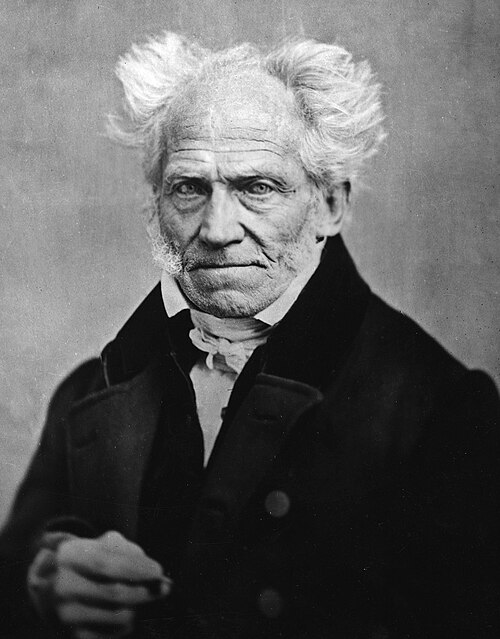 Arthur Schopenhauer1788-1860
- Regime
- metaphysics of the people ; atheist mysticism
- Pivotal text
- Die Welt als Wille und Vorstellung (1819)
- In debate with
- Hegel ; Nietzsche
receives a response from
- attested response Nietzsche Read the sectionFrom educator to foil: the denial of the will to live as the last avatar of the ascetic ideal.
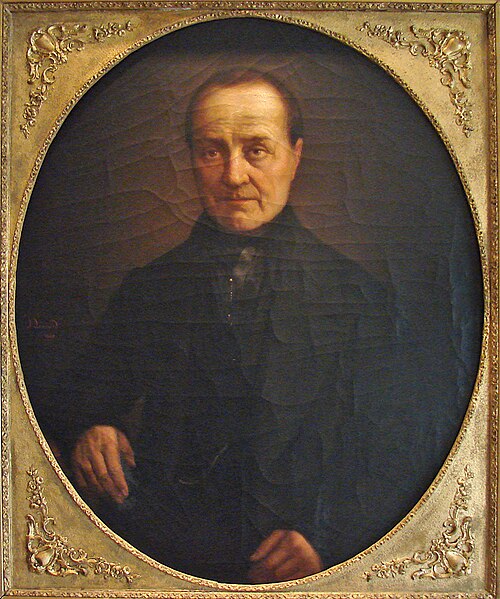 Auguste Comte1798-1857
- Regime
- religion of Humanity
- Pivotal text
- The Catechism of Positive Religion (1852)
- In debate with
- proof by fact ; Löwith
19th century
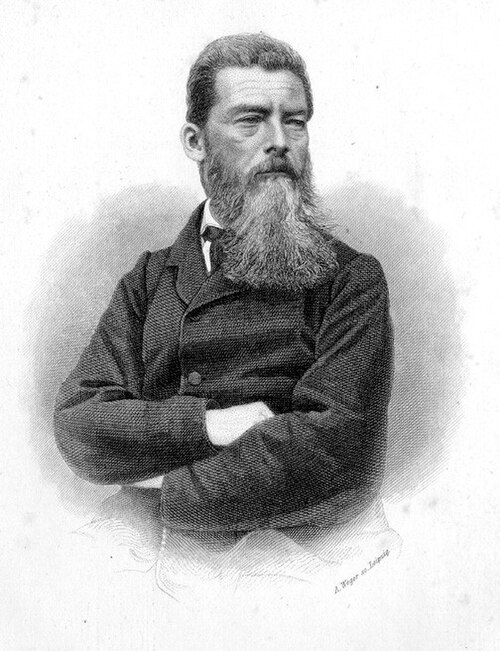 Ludwig Feuerbach1804-1872
- Regime
- error: projection
- Pivotal text
- Das Wesen des Christentums (1841)
- In debate with
- Stirner, Marx, Barth ; translated by George Eliot
responds to
- attested response Schleiermacher Read the sectionThe feeling of dependence taken up and turned back towards nature.
- attested response Stirner Read the sectionThe reply of 1845: the predicates transferred into man lose their divine character.
- constructed confrontation Maimonides Read the sectionNegative theology read as a subtle atheism.
receives a response from
- attested response Stirner Read the sectionDer Einzige (1844): Feuerbach's Man is a spectre, a new divinity.
- attested response Marx Read the sectionThe Theses on Feuerbach (1845): the earthly basis of religion must be transformed.
- attested response Engels Read the sectionLudwig Feuerbach (1886): he does not want to abolish religion, he wants to complete it.
- attested response Barth Read the sectionFeuerbach is right about religion as the experience of wicked and mortal man.
- constructed confrontation Levinas Read the sectionThe I and the Thou: the unity of man with man, or the trace of the Other.
- constructed confrontation Simone Weil Read the sectionTwo atheisms: the one that purifies the notion of God, and humanist atheism, which puts man in the place of God and is only one more idolatry.
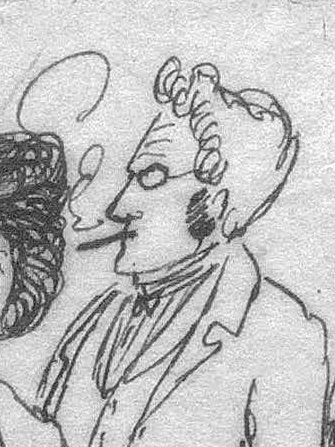 Max Stirner1806-1856
- Regime
- critique of critique
- Pivotal text
- Der Einzige und sein Eigentum (1844, dated 1845)
- In debate with
- Feuerbach ; Marx against him
responds to
- attested response Feuerbach Read the sectionDer Einzige (1844): Feuerbach's Man is a spectre, a new divinity.
- constructed confrontation the New Atheists Read the section“Unsere Atheisten sind fromme Leute” (our atheists are pious people): Reason and Science as essences.
receives a response from
- attested response Feuerbach Read the sectionThe reply of 1845: the predicates transferred into man lose their divine character.
- attested response Marx Read the sectionThe German Ideology and “Saint Max”.
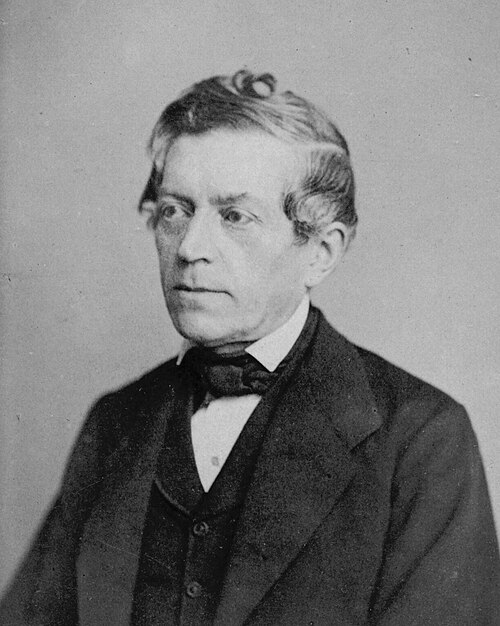 David Friedrich Strauss1808-1874
- Regime
- myth
- Pivotal text
- Das Leben Jesu (1835)
- In debate with
- Hegel ; Renan ; Nietzsche
receives a response from
- attested response Schweitzer Read the sectionVon Reimarus zu Wrede (1906) writes the history of the quest for the historical Jesus and judges its predecessors.
- attested response Nietzsche Read the sectionThe first Untimely Meditation (1873) against the “Bildungsphilister”.
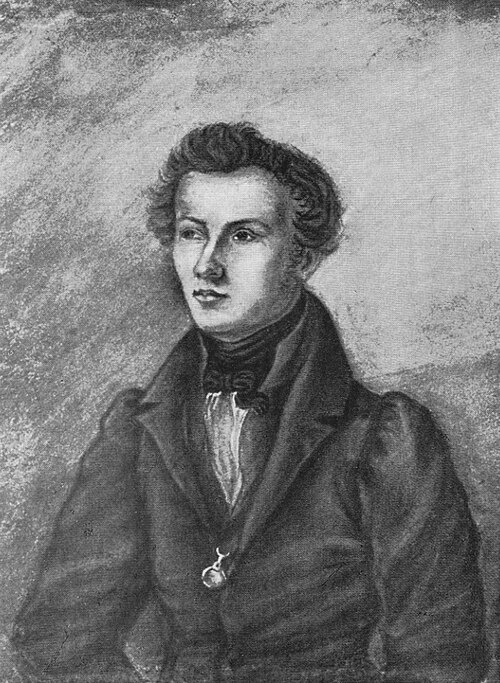 Bruno Bauer1809-1882
- Regime
- radical myth
- Pivotal text
- critique of the Gospels
- In debate with
- Engels ; Onfray
receives a response from
- attested response Engels Read the sectionThe 1882 article on Bauer and early Christianity.
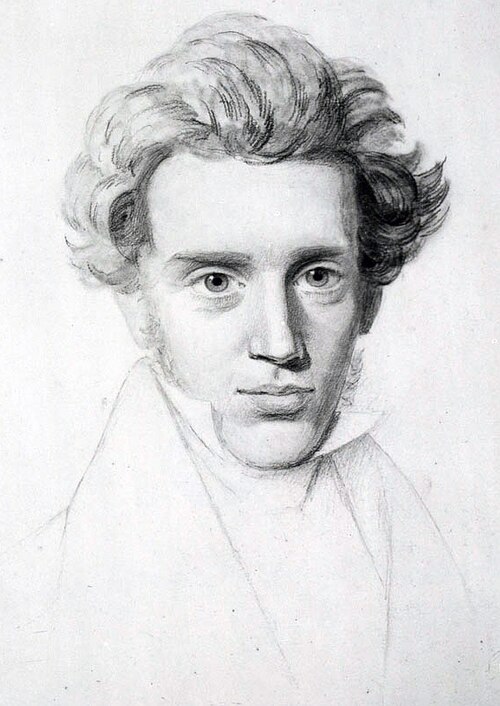 Søren Kierkegaard1813-1855
- Regime
- faith against Christendom
- Pivotal text
- Øieblikket (1855) ; Efterskrift (1846)
- In debate with
- Hegel ; Feuerbach as paradoxical ally
responds to
- attested response Hegel Read the sectionThe existing individual against the system, faith against mediation.
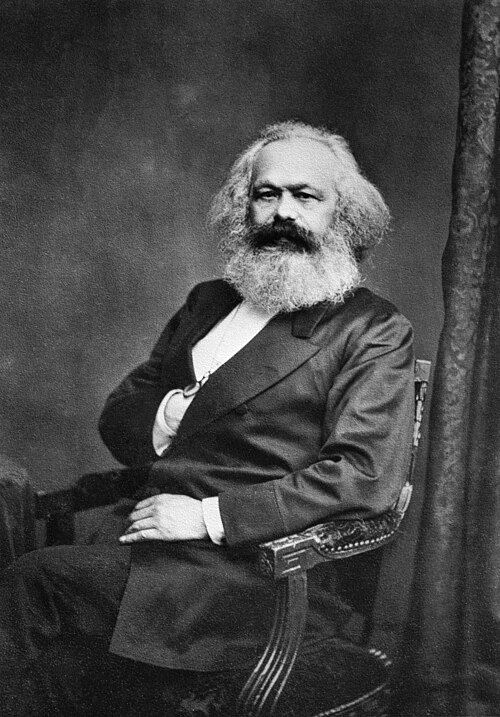 Karl Marx1818-1883
- Regime
- symptom
- Pivotal text
- Einleitung (1844) ; Theses (1845)
- In debate with
- Feuerbach, Stirner, Bauer ; Löwith against them
responds to
- attested response Feuerbach Read the sectionThe Theses on Feuerbach (1845): the earthly basis of religion must be transformed.
- attested response Stirner Read the sectionThe German Ideology and “Saint Max”.
receives a response from
- attested response Löwith Read the sectionMeaning in History (1949): Christian eschatology transposed.
George Eliot1819-1880
- Regime
- translation and novel
- Pivotal text
- The Essence of Christianity (1854)
- In debate with
- Feuerbach, Strauss
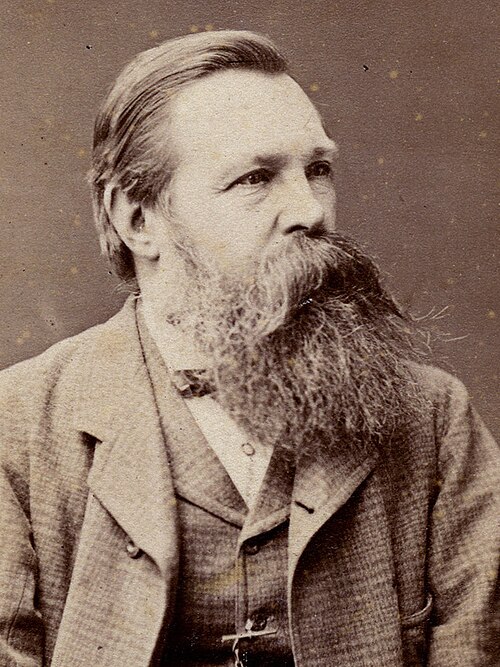 Friedrich Engels1820-1895
- Regime
- symptom
- Pivotal text
- Einleitung (1844) ; Theses (1845)
- In debate with
- Feuerbach, Stirner, Bauer ; Löwith against them
responds to
- attested response Feuerbach Read the sectionLudwig Feuerbach (1886): he does not want to abolish religion, he wants to complete it.
- attested response Bruno Bauer Read the sectionThe 1882 article on Bauer and early Christianity.
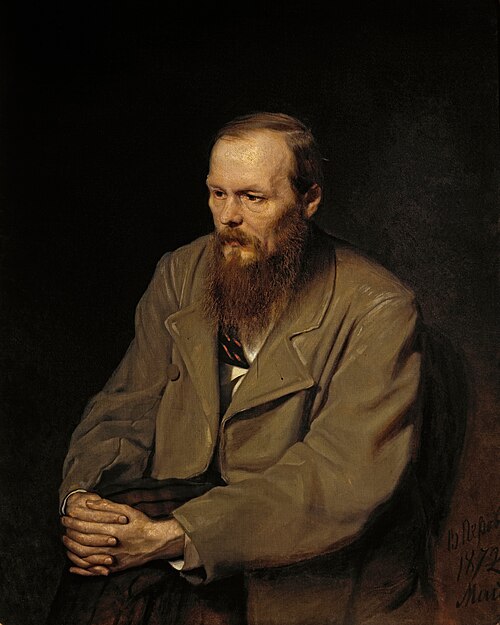 Dostoevsky1821-1881
- Regime
- the ordeal of the novel
- Pivotal text
- The Brothers Karamazov (1879-1880)
- In debate with
- Renan, Belinsky ; Camus, Sartre
responds to
- attested response Renan Read the sectionA Writer's Diary (1873) on Renan's Christ, an ideal of human beauty.
receives a response from
- attested response Camus Read the sectionThe Rebel (1951) reads Ivan Karamazov and metaphysical rebellion.
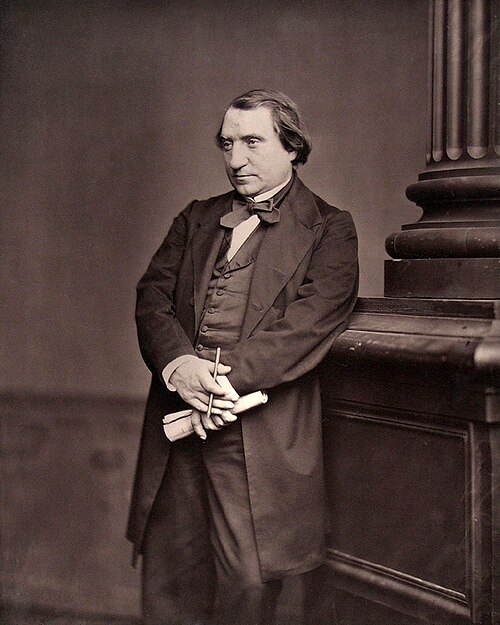 Ernest Renan1823-1892
- Regime
- sentimental history
- Pivotal text
- Life of Jesus (1863)
- In debate with
- Dostoevsky ; Nietzsche against him
receives a response from
- attested response Dostoevsky Read the sectionA Writer's Diary (1873) on Renan's Christ, an ideal of human beauty.
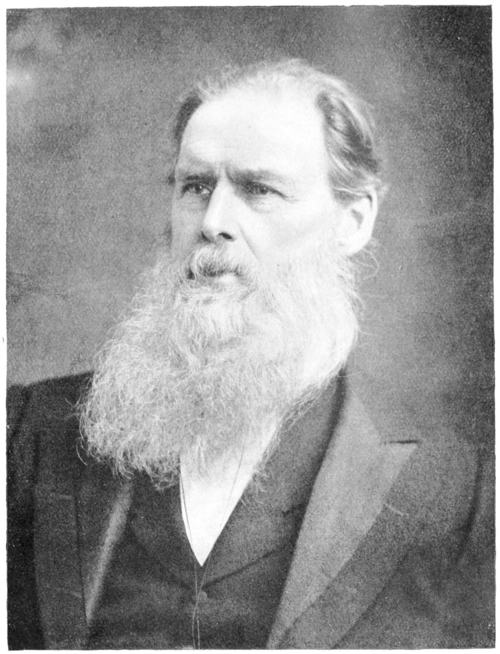 Tylor1832-1917
- Regime
- animism ; magic, religion, science
- Pivotal text
- Primitive Culture (1871) ; The Golden Bough
- In debate with
- Wittgenstein against Frazer
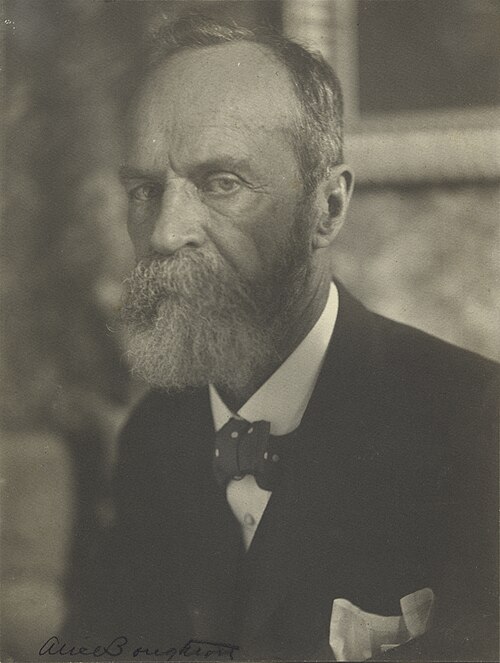 William James1842-1910
- Regime
- individual experience
- Pivotal text
- The Varieties of Religious Experience (1902)
- In debate with
- Durkheim
responds to
- attested response Clifford Read the sectionThe Will to Believe (1896) answers The Ethics of Belief (1877).
receives a response from
- attested response Otto Read the sectionOtto borrows testimonies from the Varieties and reproaches James for having collected them without paying attention to the irrational that quivers in them.
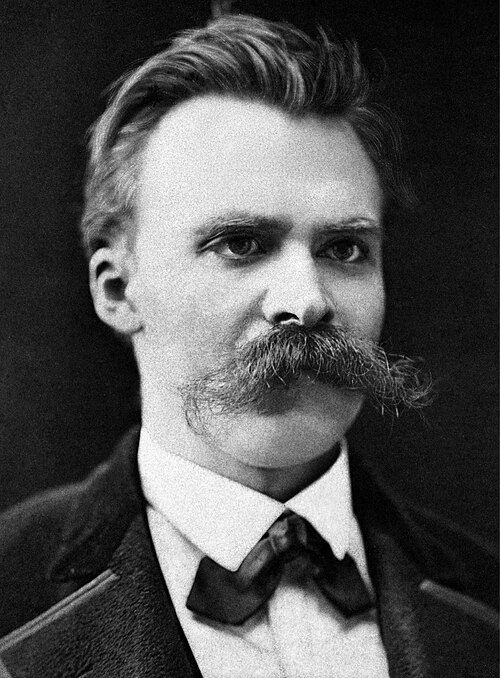 Nietzsche1844-1900
- Regime
- value, genealogy
- Pivotal text
- The Gay Science ; The Antichrist
- In debate with
- Schopenhauer, Renan, Strauss ; Heidegger against him
responds to
- attested response Paul of Tarsus Read the sectionThe Antichrist § 42: Paul, inventor of Christianity against the good news.
- attested response Strauss Read the sectionThe first Untimely Meditation (1873) against the “Bildungsphilister”.
- attested response Schopenhauer Read the sectionFrom educator to foil: the denial of the will to live as the last avatar of the ascetic ideal.
receives a response from
- attested response Girard Read the section“Dionysus versus the Crucified”: Girard reads Nietzsche as the one who saw the difference and chose Dionysus, that is, the crowd against the victim.
- attested response Heidegger Read the section“The Word of Nietzsche: God is Dead”: Nietzsche the last metaphysician.
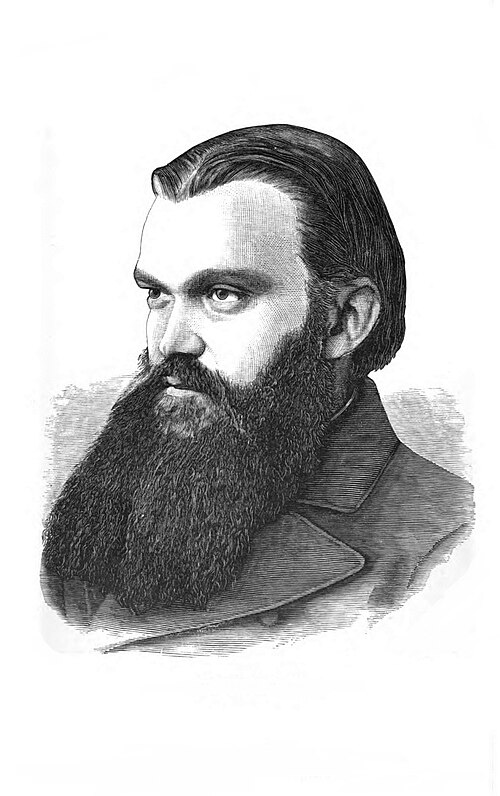 Clifford1845-1879
- Regime
- the ethics of belief
- Pivotal text
- “The Ethics of Belief” (1877) ; “The Will to Believe” (1896)
- In debate with
- James against Clifford ; Pascal
receives a response from
- attested response William James Read the sectionThe Will to Believe (1896) answers The Ethics of Belief (1877).
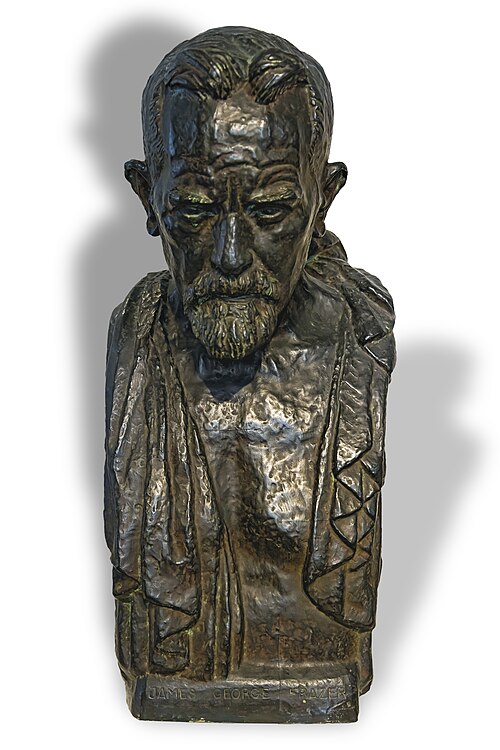 Frazer1854-1941
- Regime
- animism ; magic, religion, science
- Pivotal text
- Primitive Culture (1871) ; The Golden Bough
- In debate with
- Wittgenstein against Frazer
receives a response from
- attested response Wittgenstein Read the sectionThe remarks on The Golden Bough: against the intellectualist explanation of rites.
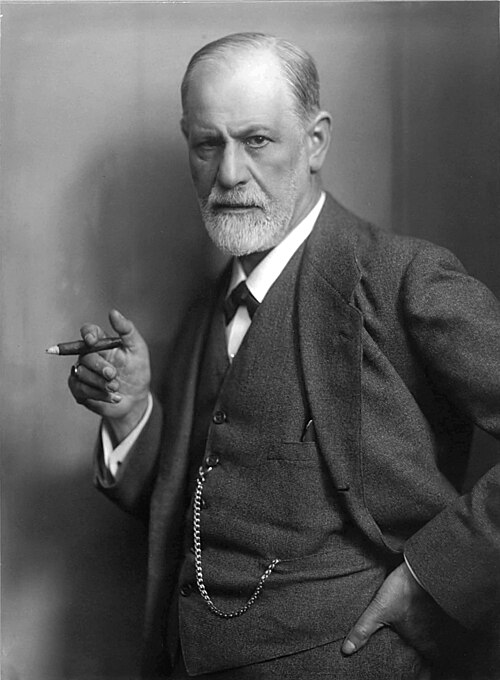 Freud1856-1939
- Regime
- illusion of desire
- Pivotal text
- Die Zukunft einer Illusion (1927)
- In debate with
- Romain Rolland ; Feuerbach
responds to
- attested response Romain Rolland Read the sectionCivilization and Its Discontents (1930) discusses the oceanic feeling of the 1927 letter.
receives a response from
- attested response Ricoeur Read the sectionDe l'interprétation (1965): reading Freud to the end in order to pass through the critique.
- attested response Girard Read the sectionThe founding murder of Totem und Tabu taken up and transformed.
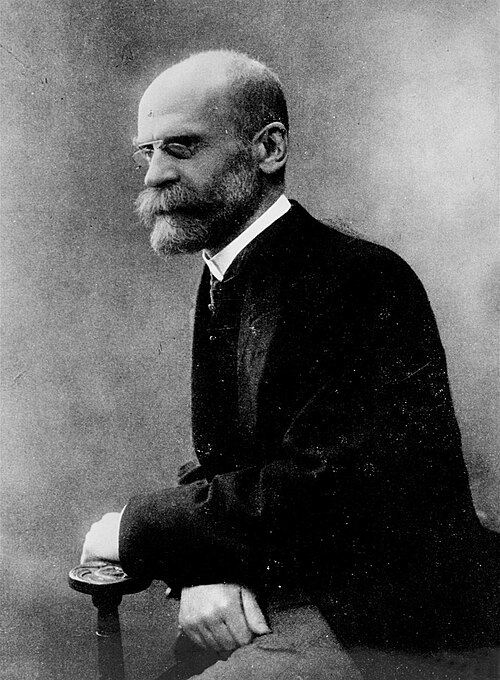 Durkheim1858-1917
- Regime
- social function
- Pivotal text
- The Elementary Forms (1912)
- In debate with
- James ; Bergson
receives a response from
- attested response Bergson Read the sectionThe Two Sources (1932) discusses the sociological theory of religion.
- attested response Girard Read the sectionThe social unanimity of the sacred explained by the scapegoat victim.
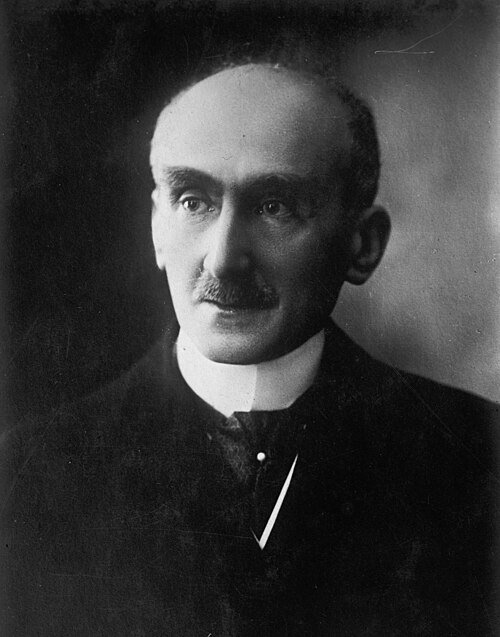 Bergson1859-1941
- Regime
- static and dynamic religion
- Pivotal text
- The Two Sources (1932)
- In debate with
- Durkheim, James
responds to
- attested response Durkheim Read the sectionThe Two Sources (1932) discusses the sociological theory of religion.
- attested response Leibniz Read the sectionCreative Evolution, ch. IV: the idea of nothingness as a pseudo-idea, in Spinoza or Leibniz.
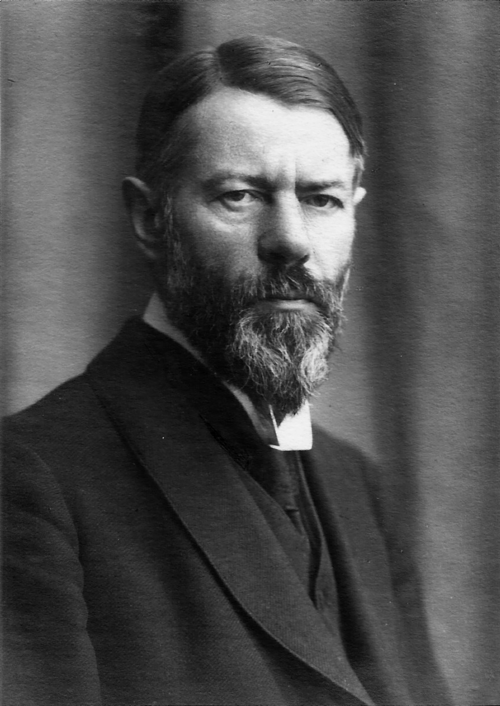 Weber1864-1920
- Regime
- disenchantment
- Pivotal text
- Wissenschaft als Beruf (1919)
- In debate with
- Nietzsche ; Gauchet
Drews1865-1935
- Regime
- the historical Jesus and the mythicist thesis
- Pivotal text
- Von Reimarus zu Wrede (1906) ; Die Christusmythe (1909) ; Le Mystère de Jésus (1924) ; Did Jesus Exist? (2012)
- In debate with
- Goguel against Couchoud ; Onfray
Romain Rolland1866-1944
- Regime
- oceanic feeling
- Pivotal text
- letter to Freud (1927)
- In debate with
- Freud
receives a response from
- attested response Freud Read the sectionCivilization and Its Discontents (1930) discusses the oceanic feeling of the 1927 letter.
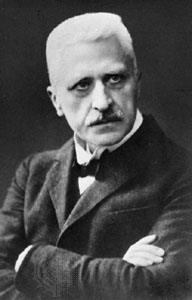 Rudolf Otto1869-1937
- Regime
- experience: the numinous
- Pivotal text
- Das Heilige (1917)
- In debate with
- Schleiermacher, Kant
responds to
- attested response Schleiermacher Read the sectionThe Idea of the Holy, chapter 3: the feeling of dependence presupposes the Kreaturgefühl and the inaccessibility of the object; Schleiermacher's discovery is acknowledged, then corrected.
- attested response William James Read the sectionOtto borrows testimonies from the Varieties and reproaches James for having collected them without paying attention to the irrational that quivers in them.
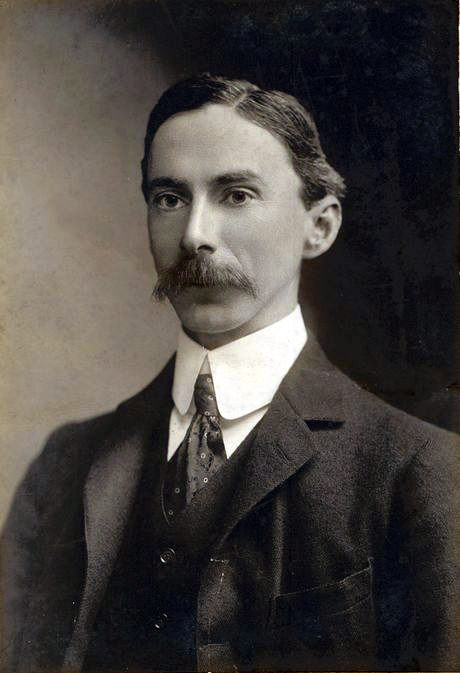 Russell1872-1970
- Regime
- is belief rational?
- Pivotal text
- Why I Am Not a Christian (1927) ; The Miracle of Theism (1982) ; Warranted Christian Belief (2000)
- In debate with
- Hume ; Leibniz
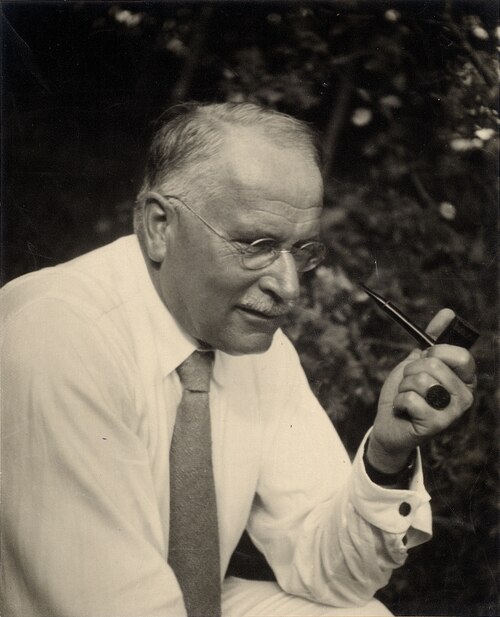 Jung1875-1961
- Regime
- religious function of the psyche
- Pivotal text
- Psychology and Religion (1938)
- In debate with
- Freud ; Buber against him
receives a response from
- attested response Buber Read the sectionEclipse of God (1952): Jung's religion reduced to the psyche.
Schweitzer1875-1965
- Regime
- the historical Jesus and the mythicist thesis
- Pivotal text
- Von Reimarus zu Wrede (1906) ; Die Christusmythe (1909) ; Le Mystère de Jésus (1924) ; Did Jesus Exist? (2012)
- In debate with
- Goguel against Couchoud ; Onfray
responds to
- attested response Strauss and Bauer Read the sectionVon Reimarus zu Wrede (1906) writes the history of the quest for the historical Jesus and judges its predecessors.
Couchoud1879-1959
- Regime
- the historical Jesus and the mythicist thesis
- Pivotal text
- Von Reimarus zu Wrede (1906) ; Die Christusmythe (1909) ; Le Mystère de Jésus (1924) ; Did Jesus Exist? (2012)
- In debate with
- Goguel against Couchoud ; Onfray
receives a response from
- attested response Goguel Read the sectionJésus de Nazareth : mythe ou histoire ? (1925) answers Le Mystère de Jésus (1924).
Goguel1880-1955
responds to
- attested response Couchoud Read the sectionJésus de Nazareth : mythe ou histoire ? (1925) answers Le Mystère de Jésus (1924).
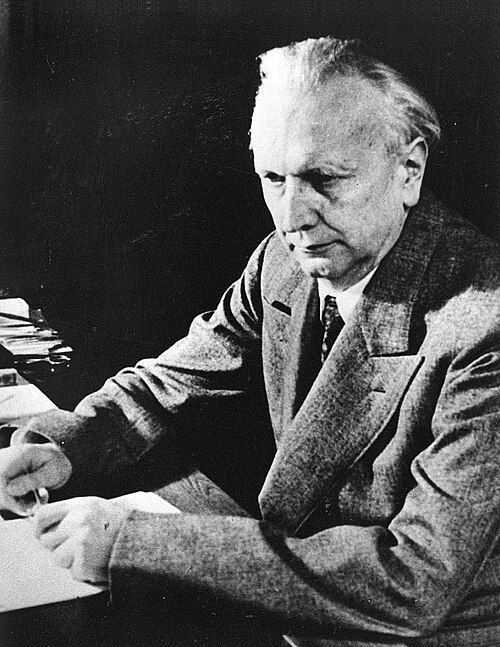 Jaspers1883-1969
- Regime
- philosophical faith
- Pivotal text
- Der philosophische Glaube (1948)
- In debate with
- Bultmann, Heidegger ; Camus against him
responds to
- attested response Bultmann Read the sectionDie Frage der Entmythologisierung (1954): myth cannot be translated without loss.
receives a response from
- attested response Camus Read the sectionThe Myth of Sisyphus (1942): Jaspers's leap towards transcendence.
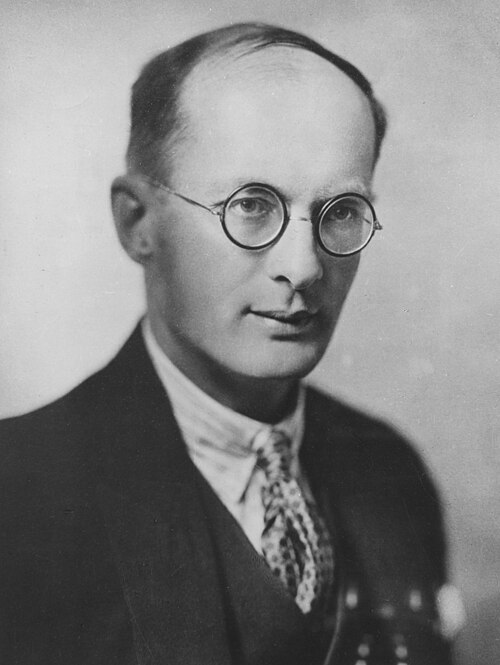 Malinowski1884-1942
- Regime
- anxiety and uncertainty
- Pivotal text
- Magic, Science and Religion (1925)
- In debate with
- Durkheim
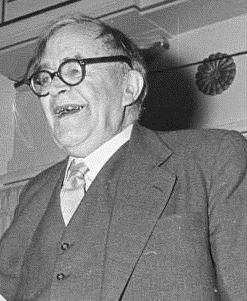 Barth1886-1968
- Regime
- religion as unbelief
- Pivotal text
- Kirchliche Dogmatik I/2, § 17 (1938)
- In debate with
- Feuerbach
responds to
- attested response Feuerbach Read the sectionFeuerbach is right about religion as the experience of wicked and mortal man.
receives a response from
- attested response Bonhoeffer Read the sectionThe letters of 1944: the “positivism of revelation”.
 Carl Schmitt1888-1985
- Regime
- secularization of concepts
- Pivotal text
- Politische Theologie (1922)
- In debate with
- Blumenberg
receives a response from
- attested response Blumenberg Read the sectionReoccupation against political theology.
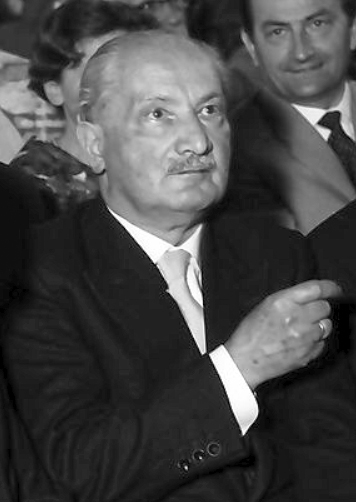 Heidegger1889-1976
- Regime
- onto-theology
- Pivotal text
- Identität und Differenz (1957)
- In debate with
- Nietzsche ; Marion against him
responds to
- attested response Nietzsche Read the section“The Word of Nietzsche: God is Dead”: Nietzsche the last metaphysician.
- attested response Leibniz Read the sectionThe 1949 introduction to Was ist Metaphysik? takes up Leibniz's question.
receives a response from
- attested response Levinas Read the sectionEthics before ontology; “Heidegger, Gagarine et nous” (1961).
- attested response Marion Read the sectionGod Without Being (1982) turns the critique of onto-theology to the service of faith.
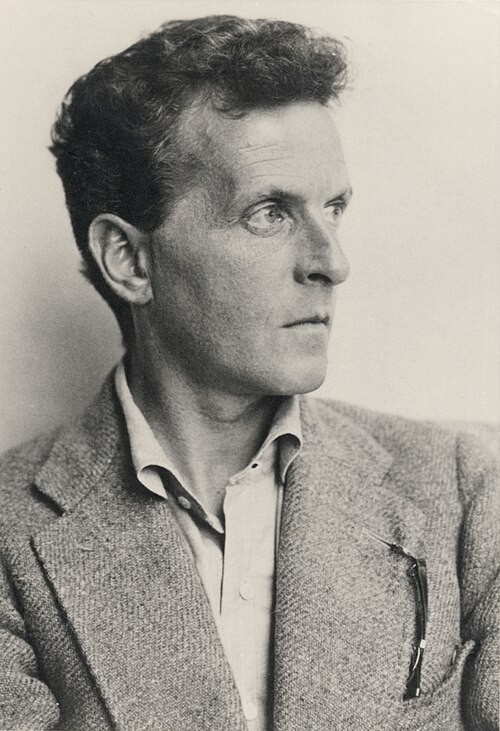 Wittgenstein1889-1951
- Regime
- the mystical ; wonder
- Pivotal text
- Tractatus (1921) ; Lecture on Ethics (1929)
- In debate with
- Frazer ; Leibniz
responds to
- attested response Frazer Read the sectionThe remarks on The Golden Bough: against the intellectualist explanation of rites.
- constructed confrontation Leibniz Read the sectionWonder that the world is, without any demand for sufficient reason.
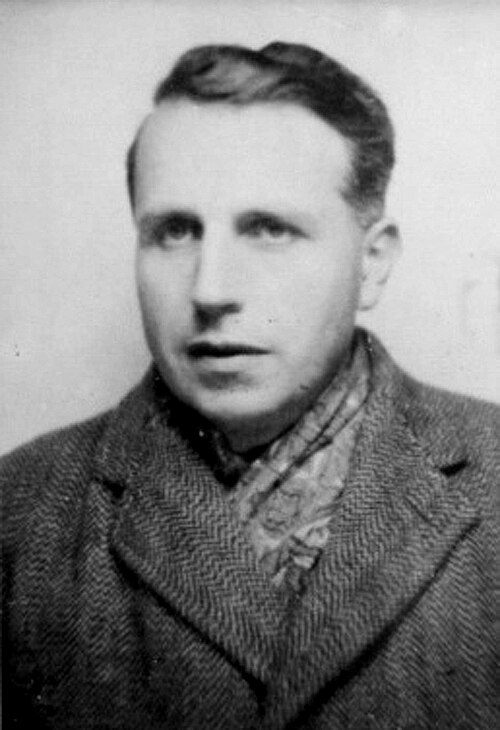 Bataille1897-1962
- Regime
- inner experience without God
- Pivotal text
- Somme athéologique (1943-1945)
- In debate with
- Nietzsche ; Sartre against him
receives a response from
- attested response Sartre Read the section“Un nouveau mystique” (1943) against L'Expérience intérieure.
Karl Löwith1897-1973
- Regime
- secularized eschatology
- Pivotal text
- Meaning in History (1949)
- In debate with
- Marx, Comte ; Blumenberg against him
responds to
- attested response Marx and Comte Read the sectionMeaning in History (1949): Christian eschatology transposed.
receives a response from
- attested response Blumenberg Read the sectionDie Legitimität der Neuzeit (1966) against the thesis of secularized eschatology.
- attested response Leo Strauss Read the sectionA long correspondence on modernity: the critique of historicism and the return to the Ancients.
Leo Strauss1899-1973
- Regime
- Athens and Jerusalem
- Pivotal text
- Die Religionskritik Spinozas (1930) ; Persecution and the Art of Writing (1952)
- In debate with
- Spinoza, Maimonides ; Löwith
responds to
- attested response Spinoza Read the sectionDie Religionskritik Spinozas (1930): modern critique has not refuted revelation.
- attested response Löwith Read the sectionA long correspondence on modernity: the critique of historicism and the return to the Ancients.
20th century
Voegelin1901-1985
- Regime
- secular religions
- Pivotal text
- Die politischen Religionen (1938) ; “L'avenir des religions séculières” (1944)
- In debate with
- Schmitt, Löwith, Camus ; Kelsen against Voegelin
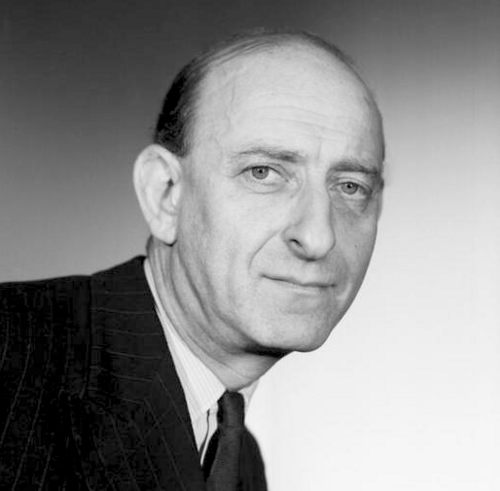 Aron1905-1983
- Regime
- secular religions
- Pivotal text
- Die politischen Religionen (1938) ; “L'avenir des religions séculières” (1944)
- In debate with
- Schmitt, Löwith, Camus ; Kelsen against Voegelin
 Sartre1905-1980
- Regime
- consistent atheism
- Pivotal text
- Existentialism Is a Humanism (1946)
- In debate with
- Bataille, Dostoevsky
responds to
- attested response Bataille Read the section“Un nouveau mystique” (1943) against L'Expérience intérieure.
- attested response Camus Read the sectionThe quarrel over The Rebel in Les Temps modernes (1952).
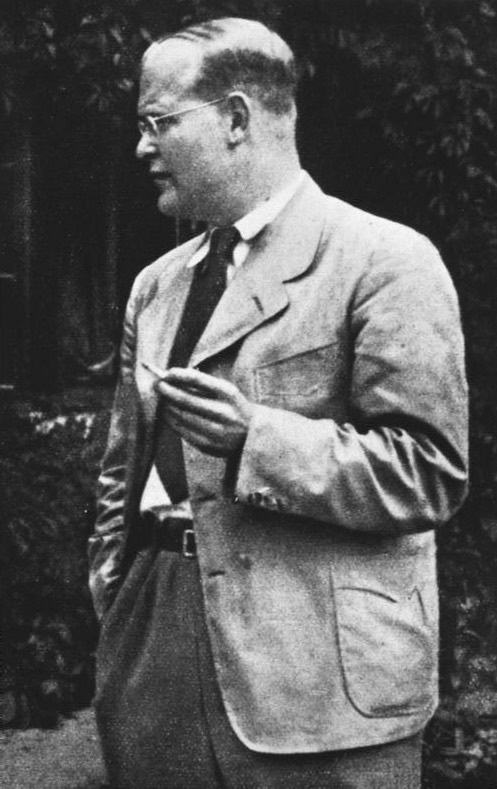 Bonhoeffer1906-1945
- Regime
- non-religious Christianity
- Pivotal text
- prison letters (1944)
- In debate with
- Barth, Feuerbach
responds to
- attested response Barth Read the sectionThe letters of 1944: the “positivism of revelation”.
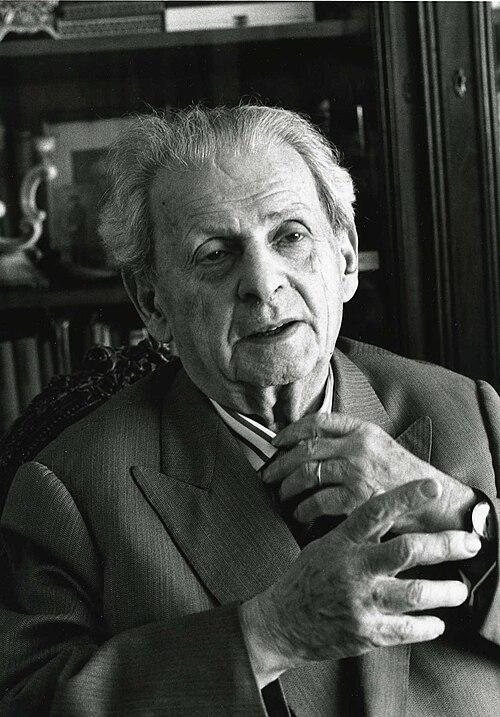 Levinas1906-1995
- Regime
- ethics against onto-theology
- Pivotal text
- Totality and Infinity (1961) ; Difficult Freedom (1963)
- In debate with
- Heidegger ; Buber ; Descartes
responds to
- attested response Heidegger Read the sectionEthics before ontology; “Heidegger, Gagarine et nous” (1961).
- constructed confrontation Feuerbach Read the sectionThe I and the Thou: the unity of man with man, or the trace of the Other.
 Simone Weil1909-1943
- Regime
- purifying atheism
- Pivotal text
- Gravity and Grace (1947)
- In debate with
- Eckhart ; Feuerbach implicitly
responds to
- constructed confrontation Feuerbach Read the sectionTwo atheisms: the one that purifies the notion of God, and humanist atheism, which puts man in the place of God and is only one more idolatry.
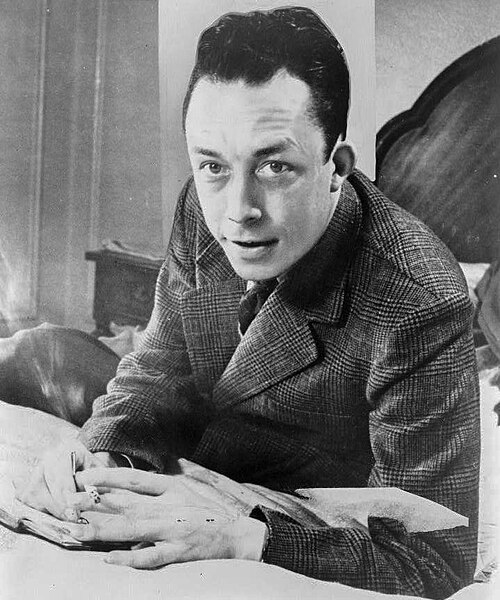 Camus1913-1960
- Regime
- metaphysical revolt
- Pivotal text
- The Rebel (1951)
- In debate with
- Stirner, Ivan, Nietzsche, Marx ; Sartre and Jeanson
responds to
- attested response Jaspers Read the sectionThe Myth of Sisyphus (1942): Jaspers's leap towards transcendence.
- attested response Dostoevsky Read the sectionThe Rebel (1951) reads Ivan Karamazov and metaphysical rebellion.
receives a response from
- attested response Sartre and Jeanson Read the sectionThe quarrel over The Rebel in Les Temps modernes (1952).
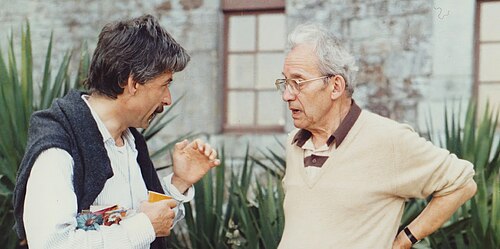 Ricoeur1913-2005
- Regime
- hermeneutics after suspicion
- Pivotal text
- De l'interprétation. Essai sur Freud (1965)
- In debate with
- Marx, Nietzsche, Freud ; Barth
responds to
- attested response Freud Read the sectionDe l'interprétation (1965): reading Freud to the end in order to pass through the critique.
Iris Murdoch1919-1999
- Regime
- the Good without God
- Pivotal text
- The Sovereignty of Good (1970)
- In debate with
- Weil, Plato ; Sartre
Hans Blumenberg1920-1996
- Regime
- reoccupation, legitimacy
- Pivotal text
- Die Legitimität der Neuzeit (1966)
- In debate with
- Löwith, Schmitt
responds to
- attested response Löwith Read the sectionDie Legitimität der Neuzeit (1966) against the thesis of secularized eschatology.
- attested response Schmitt Read the sectionReoccupation against political theology.
Pierre Hadot1922-2010
- Regime
- spirituality of exercise
- Pivotal text
- Exercices spirituels et philosophie antique (1981)
- In debate with
- Foucault
responds to
- attested response Foucault Read the sectionHadot discusses Foucault's “care of the self”, too aesthetic in his eyes.
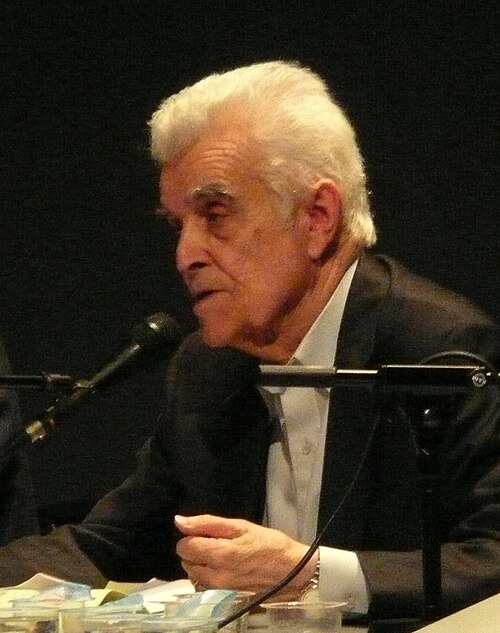 Girard1923-2015
- Regime
- victimage mechanism
- Pivotal text
- Violence and the Sacred (1972)
- In debate with
- Durkheim, Freud, Nietzsche ; the sacrifice criterion
responds to
- attested response Nietzsche Read the section“Dionysus versus the Crucified”: Girard reads Nietzsche as the one who saw the difference and chose Dionysus, that is, the crowd against the victim.
- attested response Freud Read the sectionThe founding murder of Totem und Tabu taken up and transformed.
- attested response Durkheim Read the sectionThe social unanimity of the sacred explained by the scapegoat victim.
- constructed confrontation Gauchet Read the sectionChristianity, exit from sacrifice or religion of the exit from religion.
Becker1924-1974
- Regime
- denial of death
- Pivotal text
- The Denial of Death (1973)
- In debate with
- Pascal, Kierkegaard
responds to
- constructed confrontation Pascal Read the sectionThe denial of death and diversion.
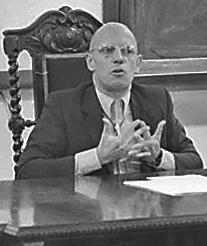 Michel Foucault1926-1984
- Regime
- spirituality and truth
- Pivotal text
- The Hermeneutics of the Subject (1982)
- In debate with
- Hadot
receives a response from
- attested response Hadot Read the sectionHadot discusses Foucault's “care of the self”, too aesthetic in his eyes.
Luckmann1927-2016
- Regime
- sacred canopy ; invisible religion
- Pivotal text
- The Sacred Canopy (1967)
- In debate with
- Durkheim, Weber
Arkoun1928-2010
- Regime
- Islam facing the exit from religion
- Pivotal text
- Pour une critique de la raison islamique (1984) ; Comment sortir de la religion (2012)
- In debate with
- Averroes ; Gauchet
Berger1929-2017
- Regime
- sacred canopy ; invisible religion
- Pivotal text
- The Sacred Canopy (1967)
- In debate with
- Durkheim, Weber
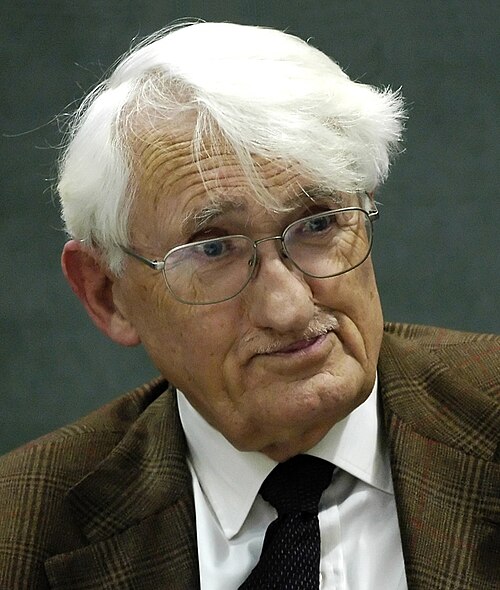 Jürgen Habermas1929-2026
- Regime
- post-secular, translation
- Pivotal text
- “Glauben und Wissen” (2001)
- In debate with
- Kant, Löwith
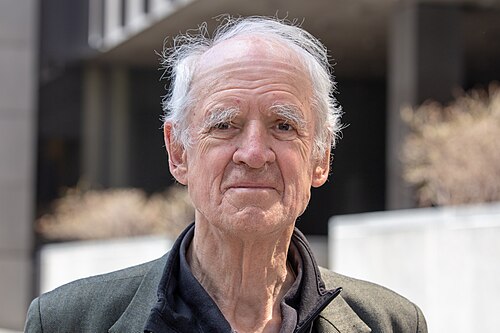 Charles Taylorb. 1931
- Regime
- secular age
- Pivotal text
- A Secular Age (2007)
- In debate with
- the “subtraction stories”
Inglehart1934-2021
- Regime
- existential security
- Pivotal text
- Sacred and Secular (2004)
- In debate with
- Weber, Berger
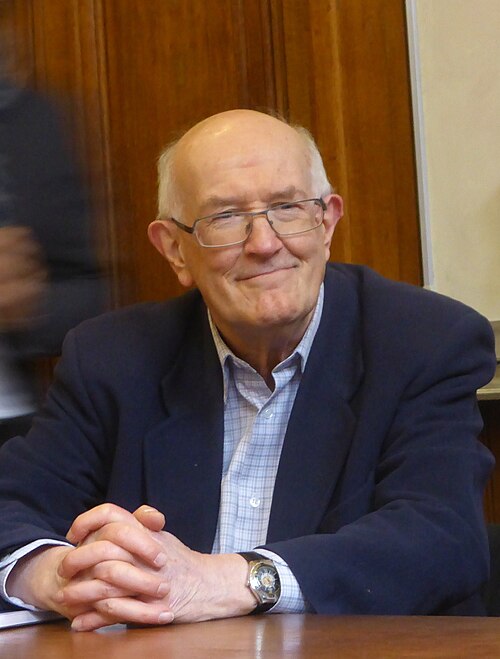 Marcel Gauchetb. 1946
- Regime
- exit from religion
- Pivotal text
- The Disenchantment of the World (1985)
- In debate with
- Weber ; Ferry
receives a response from
- attested response Ferry Read the sectionThe public debate on what survives the exit from religion.
- constructed confrontation Girard Read the sectionChristianity, exit from sacrifice or religion of the exit from religion.
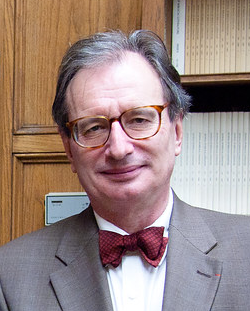 Marionb. 1946
- Regime
- idol and icon
- Pivotal text
- God Without Being (1982)
- In debate with
- Heidegger
responds to
- attested response Heidegger Read the sectionGod Without Being (1982) turns the critique of onto-theology to the service of faith.
Hervieu-Légerb. 1947
- Regime
- memory and lineage
- Pivotal text
- La Religion pour mémoire (1993)
- In debate with
- Gauchet
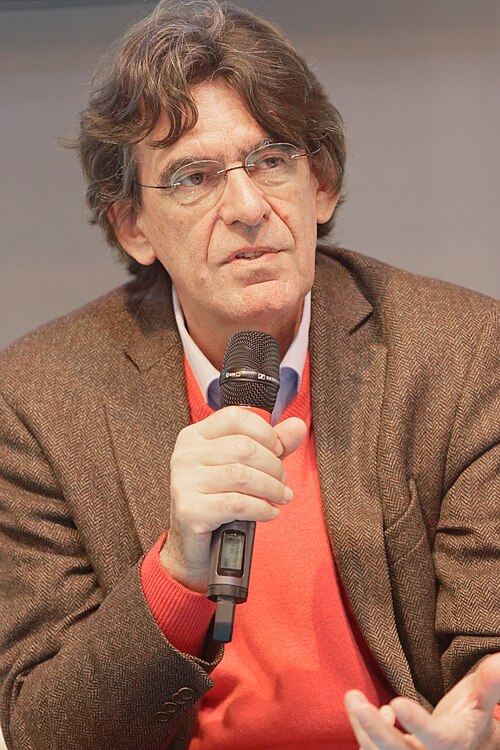 Luc Ferryb. 1951
- Regime
- transcendence within immanence
- Pivotal text
- L'Homme-Dieu (1996)
- In debate with
- Gauchet, Comte-Sponville
responds to
- attested response Gauchet Read the sectionThe public debate on what survives the exit from religion.
receives a response from
- attested response Comte-Sponville Read the sectionThe quarrel of the two wisdoms: immanence against horizontal transcendence.
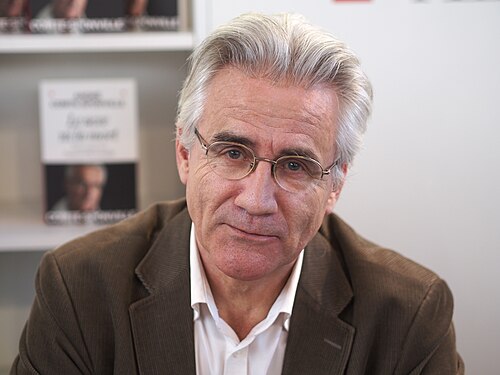 André Comte-Sponvilleb. 1952
- Regime
- spirituality without God
- Pivotal text
- L'Esprit de l'athéisme (2006)
- In debate with
- Onfray against him
responds to
- attested response Ferry Read the sectionThe quarrel of the two wisdoms: immanence against horizontal transcendence.
 Norrisb. 1953
- Regime
- existential security
- Pivotal text
- Sacred and Secular (2004)
- In debate with
- Weber, Berger
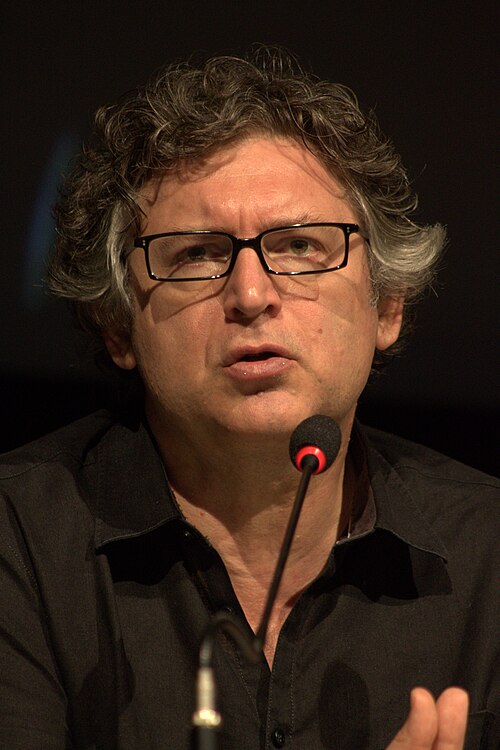 Onfrayb. 1959
- Regime
- trajectory: from error to civilization
- Pivotal text
- Traité d'athéologie ; Décadence ; Théorie de Jésus
- In debate with
- Bataille, Engels, Comte-Sponville ; the Inquisitor
Boyercontemporary
- Regime
- cognition
- Pivotal text
- Religion Explained (2001)
- In debate with
- Hume, Feuerbach
responds to
- constructed confrontation Hume Read the sectionAgent detection: the faces Hume already saw in the moon.
 Bidarb. 1971
- Regime
- Islam facing the exit from religion
- Pivotal text
- Pour une critique de la raison islamique (1984) ; Comment sortir de la religion (2012)
- In debate with
- Averroes ; Gauchet
Other figures and interlocutors
Buber
responds to
- attested response Jung Read the sectionEclipse of God (1952): Jung's religion reduced to the psyche.
Bultmann
receives a response from
- attested response Jaspers Read the sectionDie Frage der Entmythologisierung (1954): myth cannot be translated without loss.
Ehrman
responds to
- attested response the mythicists Read the sectionDid Jesus Exist? (2012): an agnostic defends the historicity of Jesus against the mythicist thesis.
Ivan Karamazov
responds to
- constructed confrontation Leibniz Read the sectionThe refusal of a harmony paid for with a child's tear, faced with theodicy.
receives a response from
- constructed confrontation Bayle Read the sectionThe society of virtuous atheists faced with “everything is permitted”.
The Buddhism of the philosophers
- Regime
- a spirituality without God?
- Pivotal text
- Burnouf (1844) ; Der Antichrist §§ 20-23 ; Droit, Le Culte du néant (1997)
- In debate with
- Schopenhauer, Nietzsche
the Grand Inquisitor
receives a response from
- constructed confrontation Voltaire Read the section“Si Dieu n'existait pas, il faudrait l'inventer” (if God did not exist, it would be necessary to invent him): the Inquisitor's programme in one alexandrine.
the mythicists
receives a response from
- attested response Ehrman Read the sectionDid Jesus Exist? (2012): an agnostic defends the historicity of Jesus against the mythicist thesis.
the New Atheists
receives a response from
- constructed confrontation Stirner Read the section“Unsere Atheisten sind fromme Leute” (our atheists are pious people): Reason and Science as essences.
No author matches.